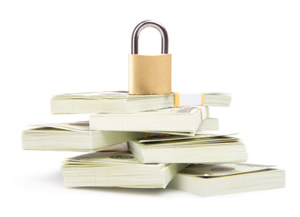
Choosing Personal Loan Insurance
 11:11 PM
 Finance inc.
, Posted in
insurance
,
Loans
,
Personal Loan
,
Purchase
,
Secured Loans
,
0 Comments
Finance inc.
, Posted in
insurance
,
Loans
,
Personal Loan
,
Purchase
,
Secured Loans
,
0 Comments
A
personal loan is a great opportunity to have the funds to consolidate
your debt, take a college course, repair your car, or even take a
vacation. Personal loans can be secured or unsecured. Secured loans are
much riskier because they involve providing the lender with collateral
to ensure repayment of the loan. If you fail to meet that repayment, the
lender will legally own your property, vehicle, or what ever asset you
used to secure the loan.
Personal loans offer plenty of opportunity for individuals to improve their overall financial situation if the funds are used in conjunction with good money management skills. However, we all know things take place in life that we have no control over including death of a income source for our household, losing employment, or medical issues. These circumstances can all affect our ability to repay a personal loan. If that loan is secured, then you will lose your asset tied to it as well. To protect yourself from such horrible possibilities, consider purchasing personal loan insurance.
Personal loan insurance is the best protection you can have for repayment when the plan you outlined to cover the loan develops unexpected bumps in the road. The cost of such insurance varies, and is generally determined by the outstanding balance of your personal loan. The type of personal loan insurance coverage you choose will also affect the premium. However, this insurance can offer peace of mind for borrowers, especially those who have a secured personal loan.
There are three types of personal loan insurance coverage to choose from. The specific dollar amounts of coverage will depend on the laws in your State and the dollar amount of your loan. It is important to discuss personal loan insurance with any lender you are considering pursuing a personal loan with.
Personal loan death insurance will pay up to a certain dollar amount in the event of the death of one of the individuals on the loan. In the event that the personal loan only had one person's name on it, then the loan balance will be paid in full up to the maximum dollar amount. Most personal loans only have a maximum loan amount of $15,000 however it is not uncommon for individuals to take out more than one personal loan.
Disability Plus personal loan coverage is the coverage most often purchased for personal loan protection. It will pay your monthly personal loan payments up to a certain dollar amount. In addition you will receive a cash payment of a percentage of your loan amount each month to help you with the cost of living expenses.
Involuntary Unemployment Coverage Insurance for personal loans is very popular. This type of insurance will pay up to a certain dollar amount per month in personal loan payments for up to a set amount of months.
Personal loans are a great financial tool when used properly. Personal loan insurance is a very responsible invest to help ensure your payments will be made regardless of medical issues, unemployment, or in the event of death. The insurance is especially important for individuals with a secured personal loan. Not only with their credit be negatively impacted, but they will lose valuable assets that are tied to their personal loan.
Personal loan insurance is very affordable and can often be purchased through the lender. It is important that you educate yourself in the area of personal loan insurance and inquire about it at the time of looking into such personal loans. Most lenders are more than happy to discuss this option with you as it further assures them they will receive the funds you borrow.
Personal loans offer plenty of opportunity for individuals to improve their overall financial situation if the funds are used in conjunction with good money management skills. However, we all know things take place in life that we have no control over including death of a income source for our household, losing employment, or medical issues. These circumstances can all affect our ability to repay a personal loan. If that loan is secured, then you will lose your asset tied to it as well. To protect yourself from such horrible possibilities, consider purchasing personal loan insurance.
Personal loan insurance is the best protection you can have for repayment when the plan you outlined to cover the loan develops unexpected bumps in the road. The cost of such insurance varies, and is generally determined by the outstanding balance of your personal loan. The type of personal loan insurance coverage you choose will also affect the premium. However, this insurance can offer peace of mind for borrowers, especially those who have a secured personal loan.
There are three types of personal loan insurance coverage to choose from. The specific dollar amounts of coverage will depend on the laws in your State and the dollar amount of your loan. It is important to discuss personal loan insurance with any lender you are considering pursuing a personal loan with.
Personal loan death insurance will pay up to a certain dollar amount in the event of the death of one of the individuals on the loan. In the event that the personal loan only had one person's name on it, then the loan balance will be paid in full up to the maximum dollar amount. Most personal loans only have a maximum loan amount of $15,000 however it is not uncommon for individuals to take out more than one personal loan.
Disability Plus personal loan coverage is the coverage most often purchased for personal loan protection. It will pay your monthly personal loan payments up to a certain dollar amount. In addition you will receive a cash payment of a percentage of your loan amount each month to help you with the cost of living expenses.
Involuntary Unemployment Coverage Insurance for personal loans is very popular. This type of insurance will pay up to a certain dollar amount per month in personal loan payments for up to a set amount of months.
Personal loans are a great financial tool when used properly. Personal loan insurance is a very responsible invest to help ensure your payments will be made regardless of medical issues, unemployment, or in the event of death. The insurance is especially important for individuals with a secured personal loan. Not only with their credit be negatively impacted, but they will lose valuable assets that are tied to their personal loan.
Personal loan insurance is very affordable and can often be purchased through the lender. It is important that you educate yourself in the area of personal loan insurance and inquire about it at the time of looking into such personal loans. Most lenders are more than happy to discuss this option with you as it further assures them they will receive the funds you borrow.